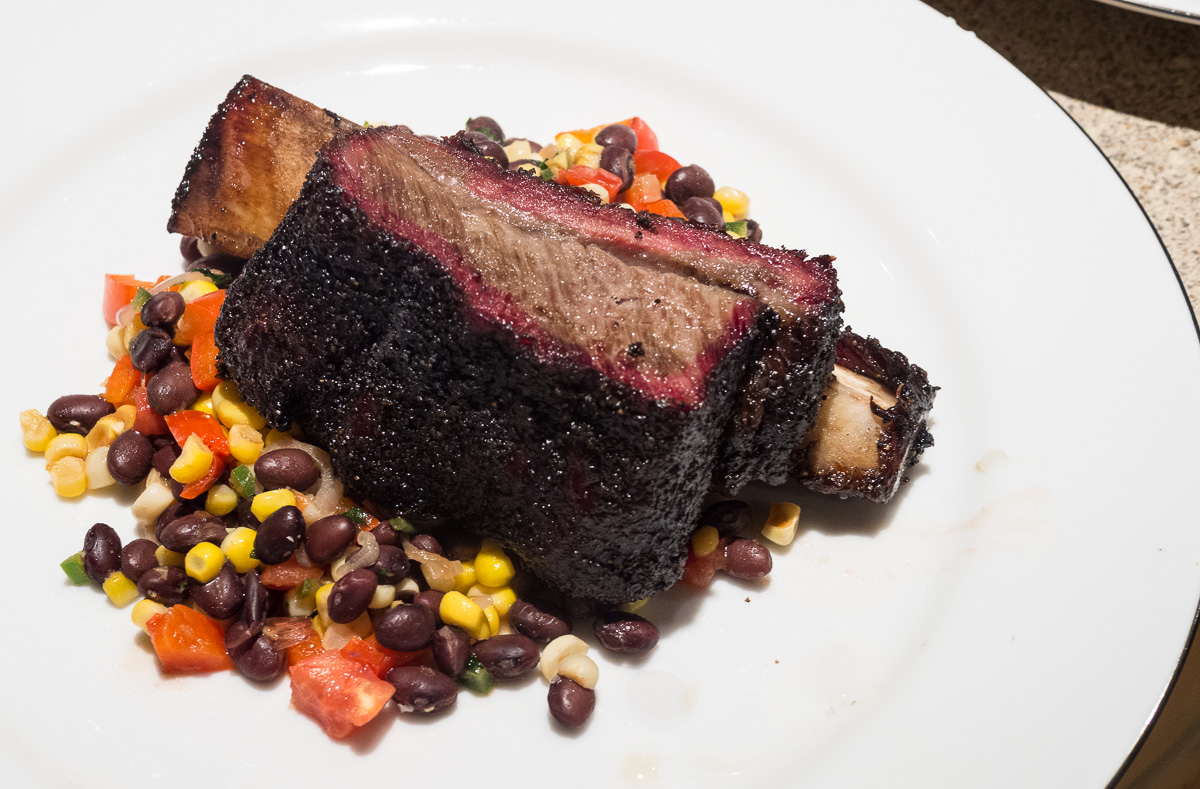
Texas BBQ Beef Short Ribs: Why Your Butcher and Patience Matter
There's a reason Texas is synonymous with exceptional barbecue, and particularly with beef. While brisket often steals the spotlight, the often-overlooked beef short rib is quietly, yet powerfully, making its case as the true king of the Texas smoker. Forget the braised, fall-off-the-bone versions you might be accustomed to; we're talking about massive, meaty, English-style short ribs, smoked low and slow until they reach a glorious, probe-tender perfection. Crafting these culinary marvels isn't just a recipe; it's a journey, a technique, and a testament to the transformative power of quality meat and unwavering patience. If you're ready to embark on this delicious adventure, understanding where to source your beef and how to navigate the long, slow cook is paramount to achieving those legendary Texas BBQ Beef Short Ribs: Patience, Stall, and Perfect Bark.
The Unsung Hero: Why Beef Short Ribs Shine in Texas BBQ
For generations, beef short ribs were primarily a braising cut, destined for slow-cooked stews and rich, gravy-laden dishes. And while they excel in that role, the Texan pitmasters discovered something magnificent: their inherent structure, rich marbling, and abundant connective tissue make them absolutely ideal for the low-and-slow embrace of a smoke-filled pit. When subjected to hours of gentle heat, that tough connective tissue breaks down into gelatin, infusing the meat with incredible moisture and a melt-in-your-mouth tenderness that's truly unmatched. The marbling, meanwhile, renders slowly, basting the meat from within and contributing to a deeply beefy flavor that defines authentic Texas BBQ.
Specifically, when we talk about texas bbq beef short ribs, we're usually referring to English-style short ribs. These are cut parallel to the bone, yielding thick, rectangular slabs of meat with a generous bone running through them, often served in sections of three or four bones. This particular cut offers a significant amount of beef on top of the bone, creating that iconic "dinosaur bone" aesthetic once cooked. This generous meat cap, combined with the bone's insulation, helps prevent the meat from drying out during the extended smoking process, ensuring a juicy, succulent result.
The Butcher's Secret Weapon: Sourcing Quality Beef
This cannot be stressed enough: the foundation of truly exceptional texas bbq beef short ribs begins with the quality of your meat. While convenience stores and large supermarkets might offer "short ribs," they rarely provide the caliber of beef required for this kind of barbecue. You need to forge a relationship with a good, local butcher. Why?
- Expertise: A knowledgeable butcher understands the nuances of cuts. They can guide you to the right type of short rib – meaty, English-style, ideally with three bones per slab – that’s perfect for smoking, not just braising.
- Quality Control: Reputable butchers often source higher-grade beef, paying attention to factors like marbling and age. They might even have specific cuts dry-aging in the back, a process that significantly enhances flavor and tenderness. For instance, dry-aged beef (like a 28-day hung rib) develops a profound depth of flavor that simply isn't present in standard supermarket cuts. This aging process concentrates the beefy taste and tenderizes the muscle fibers, making a noticeable difference in the final product.
- Custom Cuts: You might not find the exact "dinosaur bones" in a pre-packaged tray. Your butcher can often cut them to order, ensuring you get thick, uniform slabs that will cook evenly and deliver that impressive visual impact.
Don't be shy. Go into your local butcher shop and ask for "meaty, bone-in English-style beef short ribs, cut into slabs of 3-4 bones, suitable for smoking." Tell them you're making texas bbq beef short ribs. Their expertise is invaluable and will pay dividends in flavor and texture that you simply cannot replicate with generic supermarket beef.
Mastering the Smoke: A Guide to Texas BBQ Beef Short Ribs Technique
Once you have your magnificent beef, the real work (and patience) begins. This isn't a quick cook; it's a commitment to a slow, deliberate process that coaxes out the best from the meat.
The Simple Yet Potent Rub
Texas BBQ tradition is defined by its simplicity, allowing the beef and smoke to be the stars. For your texas bbq beef short ribs, a basic yet effective rub is all you need:
- 3 Tbsp coarse (butcher’s grind) black pepper
- 1 Tbsp coarse salt
- 1 tsp granulated garlic (optional, but recommended for an extra layer of flavor)
Mix these ingredients well. Sprinkle generously over all sides of your beef short ribs. Don't be afraid to apply a good, even coating – this rub will form the foundation of your delicious bark.
Setting the Stage: Your Smoker and Wood
Prepare your grill or smoker to maintain a consistent temperature range of 250-275°F (120-135°C). Consistency is key here; wild temperature swings will negatively impact your cook. For wood, oak is the quintessential Texas BBQ choice, imparting a robust, savory smoke flavor that pairs perfectly with beef. If oak isn't readily available, hickory is an excellent alternative, offering a slightly stronger, bacon-like aroma. Ensure you have enough fuel and wood to sustain 7-9 hours of smoking, possibly even longer depending on the size of your ribs and ambient conditions.
The Infamous Stall: Patience is Your Best Spice
As your texas bbq beef short ribs smoke, their internal temperature will steadily rise until it hits somewhere in the range of 155-165°F (68-74°C). Then, it will appear to stop rising, sometimes for hours. This is "the stall," a perfectly normal phenomenon that can cause panic in new pitmasters. What's happening is a process called evaporative cooling: moisture from the meat's surface is evaporating, much like sweat cools your body, effectively preventing the internal temperature from increasing. The best advice here is simple: don't freak out, don't blink, just keep going. Patience is truly a virtue when making great barbecue.
At this point, you have a decision to make regarding wrapping. Many pitmasters choose to wrap their ribs during the stall to push through it faster and retain moisture. Butcher paper is highly recommended as a compromise: it allows some breathability, preserving more of that coveted crispy bark while still helping to retain moisture. Foil, while effective at speeding up the cook, can effectively steam the meat, altering its texture – and we're aiming for smoked texas bbq beef short ribs, not steamed ribs. For a deeper dive into navigating this critical phase, check out our guide on Smoking Texas Beef Short Ribs: Navigating the Stall and Wrap.
Reaching Perfection: Probe Tender and The Rest
Whether you wrap or not, continue smoking until the ribs are "probe tender." This means you can insert a thermometer probe or skewer into the meat with little to no resistance, feeling like it's sliding into warm butter. Scientifically, you're aiming for an internal temperature of 195-200°F (90-93°C), though tenderness is the ultimate indicator. Some choose to finish their ribs in a 250°F (120°C) oven after wrapping in butcher paper if maintaining smoker temperature becomes challenging.
Once your texas bbq beef short ribs hit their target tenderness, they are still not ready to eat. The crucial final step is resting. Pull the ribs from the smoker and let them rest, tented loosely with foil or wrapped tightly in butcher paper (if not already), until the internal temperature drops to around 175°F (80°C). This can take 20-30 minutes, or even longer for larger cuts. Resting allows the muscle fibers to relax and reabsorb those precious juices, ensuring a supremely moist and flavorful result. Skipping this step is a cardinal sin in barbecue and will lead to drier meat.
Beyond the Basics: Tips for Elevating Your Short Rib Game
- Monitor Your Fire: Consistency in temperature is paramount. Invest in a good thermometer for your smoker and potentially a wireless probe for your meat. Learn your cooker's hot spots and manage your fuel accordingly.
- Don't Over-Trim: Beef short ribs often come with a good fat cap. While you can trim off any excessively hard, silver-skin like fat, don't remove too much. The beef fat renders beautifully, adding flavor and moisture as it melts into the meat.
- Spritzing (Optional): Some pitmasters like to spritz their ribs with apple cider vinegar, water, or beef broth every hour or so after the bark has set (usually a few hours into the cook). This can help keep the surface moist and potentially enhance bark formation, but it's not strictly necessary.
- Practice Makes Perfect: Your first rack of texas bbq beef short ribs might not be absolutely perfect, and that's okay. Each cook teaches you more about your equipment, your meat, and the process. Dedication truly perfects the art.
- Serve Simply: Authentic Texas BBQ is often served simply, allowing the meat to shine. Think sliced white bread, pickles, and raw onion. A minimalist approach truly highlights the rich flavors of the ribs.
Making Texas BBQ Beef Short Ribs is an incredibly rewarding experience that connects you to a rich culinary tradition. It requires a thoughtful approach, starting with the very best ingredients you can find and following through with dedication and patience throughout the cooking process. Talk to your butcher, trust the process, and embrace the waiting game. The succulent, smoky, beefy reward will be worth every moment, solidifying your place as a true barbecue aficionado.
