Smoking Texas Beef Short Ribs: A Journey Through Patience, Perfection, and the Infamous Stall
There's something uniquely magnificent about
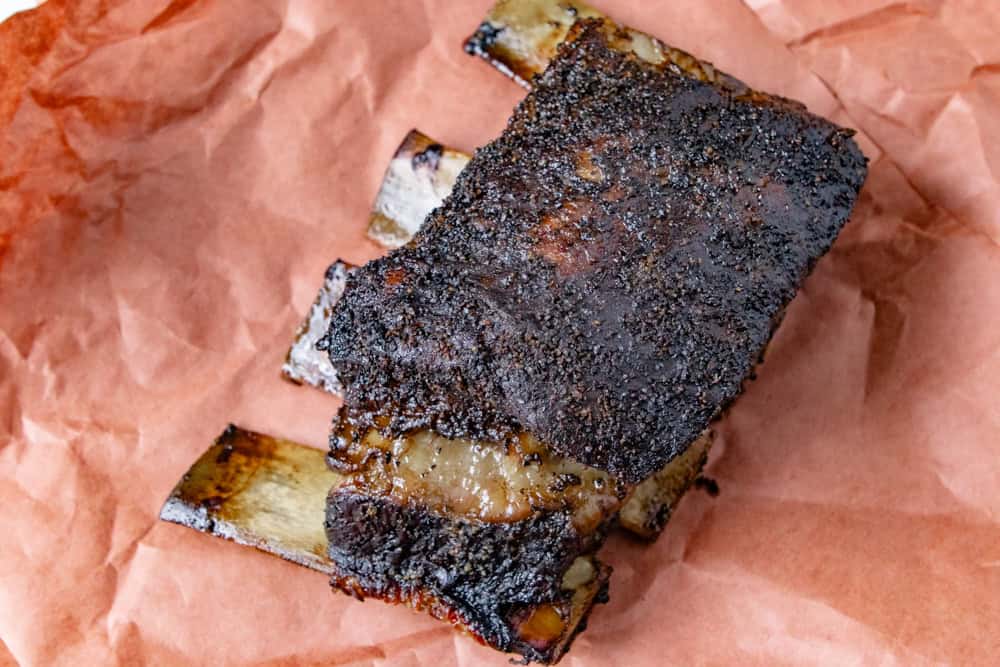
Texas BBQ beef short ribs. While historically a cut reserved for slow braises, Texans, with their inherent understanding of beef and smoke, have elevated short ribs to a barbecue masterpiece. Imagine thick, meaty slabs, rich with marbling, rendered to fall-off-the-bone tenderness, encased in a peppery, dark bark. This isn't just a meal; it's an experience, a test of patience, and a testament to the pitmaster's craft. While the process isn't overly complicated, it demands dedication and a deep appreciation for technique. This guide will walk you through the essential steps, with a particular focus on two critical phases that often challenge even seasoned smokers: navigating the "stall" and mastering the art of the "wrap."
The Foundation: Sourcing Your Ribs and Crafting the Rub
The journey to transcendent Texas-style beef short ribs begins long before the smoke ever kisses the meat. Your choice of beef is paramount. Forget the pre-packaged options at your local supermarket; for true quality, forge a relationship with a reputable butcher. Ask for "beef plate ribs" or "English-style short ribs." You're looking for substantial, meaty slabs, typically featuring three or four bones, often from the short plate primal. These are distinct from back ribs, which have far less meat on them. A good butcher will likely offer dry-aged beef, perhaps 28 days or more, which enhances flavor and tenderness – a quality simply unattainable in standard supermarket cuts. This commitment to quality beef is non-negotiable for authentic results.
Once you have your magnificent ribs, the rub is next. True Texas barbecue celebrates the meat itself, opting for simplicity over complexity.
The classic Texas dry rub is elegantly straightforward:
*
Coarse (Butcher's Grind) Black Pepper: The star of the show, forming that signature peppery bark.
*
Kosher Salt: Essential for seasoning and moisture retention.
*
Granulated Garlic (Optional): A subtle aromatic that complements the beef without overpowering it.
Mix these ingredients – typically a ratio of 3 parts pepper to 1 part salt, with a teaspoon of garlic per few tablespoons of the mix. This isn't a precise recipe; it's a guideline. Liberally sprinkle this blend over all surfaces of your ribs. Don't be shy; the coarse pepper will create an incredible crust. Allow the seasoned ribs to sit at room temperature for an hour, or even better, overnight in the fridge, to allow the salt to penetrate and tenderize the meat.
The Smoker's Domain: Temperature, Wood, and the Initial Smoke
With your ribs prepped, it's time to fire up your smoker. Consistency is key here. You want to maintain a steady temperature range of 250-275°F (121-135°C). This low-and-slow approach is what transforms tough connective tissue into succulent, gelatinous goodness. If your smoker struggles with maintaining stable temperatures, consider adding a water pan to help regulate heat and add moisture to the cooking environment.
The choice of wood greatly influences the final flavor profile. For authentic Texas BBQ,
oak wood is king. It imparts a strong, clean smoke flavor that pairs perfectly with beef. If oak is unavailable,
hickory is an excellent alternative, offering a robust, slightly sweeter smoke. Avoid overly strong woods like mesquite for the entire cook, as they can sometimes overpower the delicate beef flavor; a small amount can be used if desired, but oak or hickory should be the primary fuel.
Begin smoking your ribs, allowing them to absorb that beautiful, smoky essence. During this initial phase, the exterior of the ribs will develop a dark, flavorful crust – known as the "bark." Keep a watchful eye on your smoker's temperature, but resist the urge to constantly open the lid, as "if you're looking, it ain't cooking." The first few hours are all about setting that delicious bark and rendering some of the fat.
Navigating the Infamous Stall: Patience is Your Pitmaster's Virtue
As your
texas bbq beef short ribs cook, their internal temperature will steadily rise. You'll likely see it climb to around 150-160°F (65-71°C) without much issue. Then, seemingly out of nowhere, the temperature gauge will plateau. It will stubbornly refuse to budge, sometimes for hours on end. This, my friends, is "the stall," and it's a completely normal, albeit frustrating, part of the low-and-slow smoking process.
What is the Stall and Why Does It Happen?
The stall is a natural phenomenon caused by evaporative cooling. As the internal temperature of the meat rises, moisture within the ribs begins to "sweat" out onto the surface. This evaporating moisture cools the meat, much like sweat cools your body on a hot day. The energy from your smoker is then used to evaporate this surface moisture rather than to raise the internal temperature of the meat. It’s a battle between the heat of your smoker and the cooling effect of evaporation. Every piece of meat smoked low and slow will experience the stall; it's not a sign that something is wrong with your cook.
How to Conquer the Stall
The primary weapon against the stall is
patience. Seriously, just wait it out. Resist the urge to crank up the heat, as this can dry out your ribs or burn the bark. Don't constantly open the smoker lid, which only prolongs the process by releasing heat. Trust your equipment and the process. The stall will eventually break as the surface moisture dissipates, and the internal temperature will begin to rise again. This phase often pushes the total cook time for beef short ribs into the 7-9 hour range, sometimes even longer, depending on the size of the ribs and the consistency of your smoker.
The Wrap Debate: Butcher's Paper vs. Foil vs. Bare
While waiting out the stall, many pitmasters consider an intervention known as "the wrap," sometimes called the "Texas Crutch." Wrapping serves several purposes: it pushes through the stall faster, helps retain moisture, and can aid in rendering fat and connective tissue. However, the choice of wrapping material is crucial and often debated.
Butcher's Paper: The Texas Way
For Texas-style beef short ribs, **pink butcher's paper** is overwhelmingly the preferred wrapping material. Why? Butcher's paper, unlike foil, is breathable. It allows some moisture and smoke to escape while still trapping enough heat and liquid to expedite the cooking process and keep the meat moist. This breathability is key to preserving the coveted "bark" – that crispy, peppery crust you worked so hard to develop. Wrapping in butcher's paper strikes the perfect balance: it helps power through the stall and tenderize the meat without sacrificing that critical texture.
Foil: The Steam Trap
Aluminum foil, while readily available, is generally frowned upon for beef ribs in the Texas BBQ tradition. Foil creates a completely sealed environment, essentially steaming the meat. While this will push through the stall very quickly and ensure maximum moisture retention, it can soften the bark, making it soggy and undermining the textural contrast that defines great smoked ribs. If your goal is a tender, fall-apart texture with less concern for bark, foil might be an option, but for authentic Texas
texas bbq beef short ribs, it’s best avoided.
No Wrap: For the Ultimate Bark Enthusiast
Some purists opt for a no-wrap approach. This method allows for the absolute best, crispiest bark imaginable. However, it also means the cook will take considerably longer, and there's an increased risk of the exterior drying out before the interior reaches desired tenderness. It requires impeccable moisture management within the smoker and often a longer stall period. For beginners, wrapping in butcher's paper offers a safer, more consistent path to success.
If you choose to wrap, do so around the time you hit the stall (155-165°F / 68-74°C). Tightly wrap your short ribs in several layers of butcher's paper and return them to the smoker.
The Finish Line: Achieving Probe Tender Perfection and the Crucial Rest
Whether wrapped or bare, you'll continue smoking your ribs until they reach an internal temperature of 195-200°F (90-93°C). However, temperature alone isn't the sole indicator of doneness. The true test for beef short ribs is what pitmasters call "probe tender."
Understanding Probe Tender
"Probe tender" means that when you insert a thermometer probe or a thin skewer into the thickest part of the meat, it should slide in with little to no resistance, feeling like it's piercing soft butter. This indicates that the connective tissues have fully broken down, resulting in that melt-in-your-mouth texture. If you feel any significant resistance, continue cooking, even if the temperature is within range.
The Crucial Rest
Once your ribs are probe tender, it's time for perhaps the most critical, yet often overlooked, step: resting. Remove the ribs from the smoker (still wrapped in butcher's paper if you used it) and place them in an insulated cooler or wrap them in towels on your counter. Allow them to rest for a minimum of 30 minutes, ideally 1-2 hours. During this period, the internal temperature will continue to rise slightly (carryover cooking), and more importantly, the muscle fibers will relax, reabsorbing juices that would otherwise escape when sliced. This results in significantly juicier and more tender ribs. The target temperature after resting should be around 175°F (79°C) before slicing.
After resting, unwrap your magnificent slabs of beef, slice them into individual ribs, and prepare to be amazed. The rich, beefy flavor, the peppery bark, and the incredibly tender meat are a testament to your patience and skill.
Conclusion
Smoking Texas beef short ribs is a rewarding endeavor that embodies the spirit of low-and-slow barbecue. It demands quality ingredients, a simple yet effective rub, precise temperature control, and above all, patience. Navigating the stall without panic, making informed decisions about wrapping with butcher's paper, and understanding the nuances of "probe tender" doneness are the keys to unlocking a truly exceptional barbecue experience. While it takes time and practice to perfect, each batch of these glorious ribs brings you closer to mastering the art of the pit. So, embrace the journey, enjoy the process, and savor every tender, smoky bite.