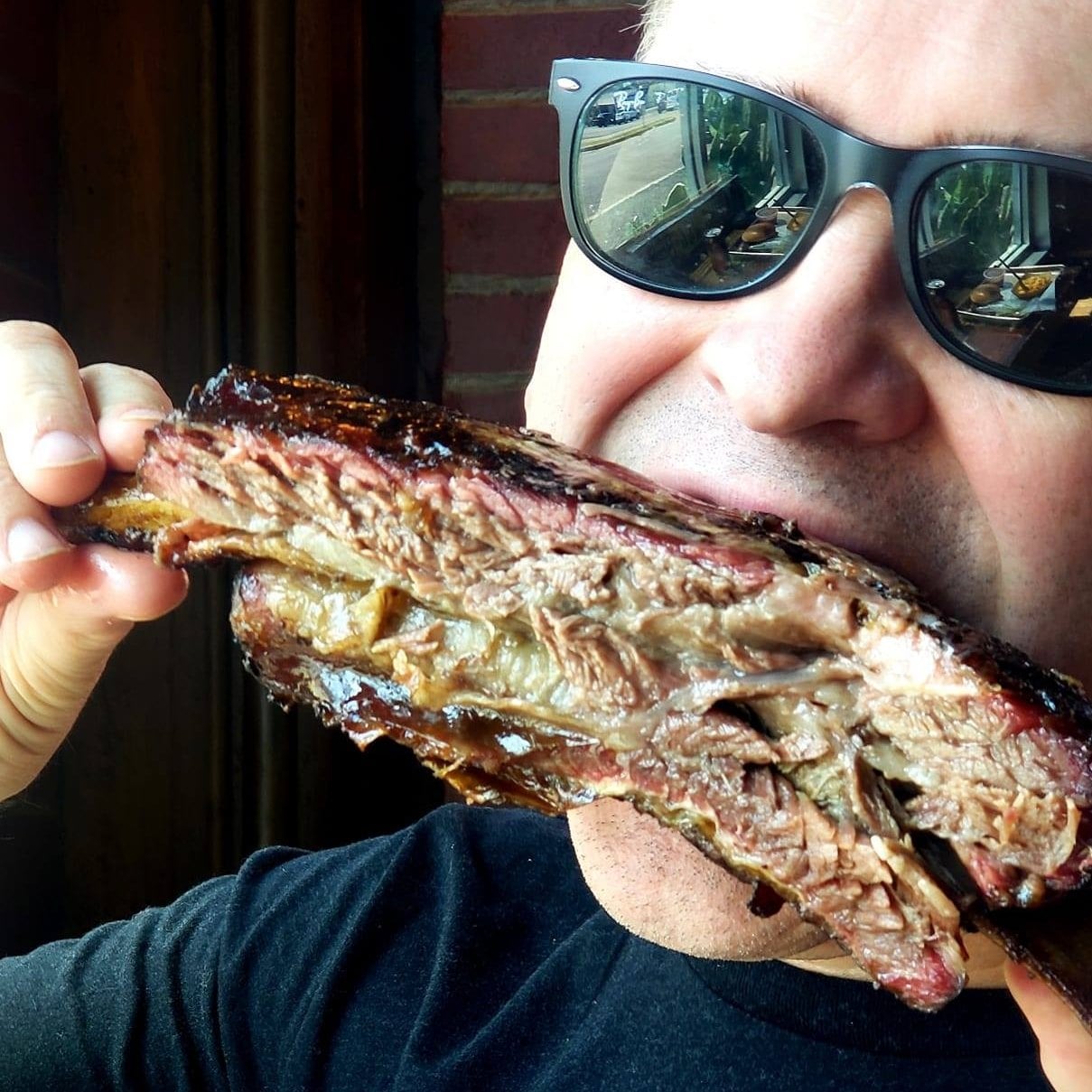
Smoke Texas BBQ Beef Short Ribs: A Journey of Patience, Stall, and Perfect Bark
There's a reason why Texas barbecue holds a legendary status in the culinary world, and it largely centers on one magnificent ingredient: beef. While brisket often steals the spotlight, mastering texas bbq beef short ribs offers an equally profound and incredibly rewarding experience. These aren't your grandma's braised short ribs; this is a low-and-slow dedication to transforming a tough cut into an unbelievably tender, smoky, and richly flavored masterpiece, complete with that coveted, craggy "bark." This isn't just a recipe; it's a technique, a philosophy, and a test of patience. The journey of smoking Texas bbq beef short ribs is filled with anticipation, the mystique of the "stall," and ultimately, the triumph of a perfect, melt-in-your-mouth bite. Are you ready to embrace the pitmaster's ethos?The Genesis of Texas BBQ Beef Short Ribs: More Than Just a Cut
The magic of Texas BBQ begins with the meat itself. Beef short ribs, often relegated to stews or slow braises, emerge as a star when given the low-and-slow treatment. These ribs, particularly the "English style" cut, boast thick, generous slabs of meat atop the bone, marbled with connective tissue and fat that, when slowly rendered, create an unparalleled juiciness and tenderness. Texas pitmasters understand beef at a fundamental level, recognizing that patience and precision can unlock incredible potential. When selecting your beef short ribs, quality is paramount. This is not the time to compromise. Supermarket options often fall short, lacking the necessary marbling or substantial meat coverage. Your best bet is to cultivate a relationship with a skilled butcher. Ask for "beef short ribs" or "plate short ribs," specifically looking for substantial, meaty slabs, ideally with three bones per slab. Many expert butchers will even have dry-aged beef (like 28-day aged) available, which significantly intensifies the beefy flavor. For a deeper dive into selecting the perfect cut and forging that vital butcher connection, explore our guide on Texas BBQ Beef Short Ribs: Why Your Butcher and Patience Matter.Crafting the Perfect Bark: The Simple Yet Potent Rub
True Texas BBQ is characterized by its elegant simplicity. While regional variations abound, the quintessential Texas beef rub is surprisingly minimalist, allowing the quality of the meat and the kiss of smoke to shine. For texas bbq beef short ribs, a basic yet powerful blend is all you need:- 3 Tbsp Coarse (Butcher’s Grind) Black Pepper: This is non-negotiable. The coarse grind provides texture and forms the backbone of that beautiful, peppery bark.
- 1 Tbsp Kosher Salt: Essential for seasoning and aiding in the formation of the crust.
- 1 tsp Granulated Garlic (Optional, but recommended): Adds a subtle depth without overpowering.
The Smoke Journey: Low, Slow, and Steady
With your ribs seasoned and ready, it's time to fire up the smoker. The foundation of exceptional texas bbq beef short ribs is a consistent, low temperature over a prolonged period.Setting Up Your Smoker
Prepare your grill or smoker to maintain a stable temperature between 250-275°F (120-135°C). Consistency is key here. Fluctuations can lead to uneven cooking or a lack of bark development. If you're using a charcoal smoker, learn to manage your vents effectively. For pellet smokers, set your desired temperature.
The Right Wood
The ideal wood for authentic Texas BBQ is oak. Its robust, clean smoke perfectly complements beef without being overly aggressive. If oak isn't readily available, hickory is an excellent substitute, offering a stronger, classic smoke flavor. Avoid overly fruity woods like apple or cherry for beef, as they can sometimes be too subtle or add an unwanted sweetness.
The Long Haul
Expect your beef short ribs to smoke for anywhere from 7 to 9 hours, possibly even longer, depending on their size and your smoker's consistency. This extended period allows the tough connective tissues within the meat to slowly break down into gelatin, resulting in that incredibly tender texture. It also provides ample time for the smoke to penetrate and for the bark to properly form. This is where the "patience" part of the equation truly comes into play.
Conquering the Infamous "Stall": Patience is Your Best Spice
One of the most defining characteristics of low-and-slow smoking, especially with larger cuts of meat like texas bbq beef short ribs, is "the stall." This phenomenon often causes new pitmasters to panic, but understanding it is crucial for success.What is The Stall?
As your ribs cook, their internal temperature will rise steadily, often reaching around 155-165°F (68-74°C). Then, mysteriously, the temperature will simply stop rising, or even slightly dip, for an extended period – sometimes for hours. This is "the stall." It's not a sign that your smoker is broken or that your meat is ruined.
The stall occurs due to evaporative cooling. As moisture from the meat's surface evaporates, it cools the meat, much like sweat cools your body. This process continues until enough moisture has evaporated, and the external heat can once again overcome the cooling effect. It's a natural, unavoidable part of the low-and-slow cooking process.
Navigating The Stall: To Wrap or Not to Wrap?
When you hit the stall, you have a choice:
- "Power Through" (No Wrap): This is the purist's approach. You simply wait it out. It will take longer, but it generally yields the thickest, most robust bark. You risk a slightly drier exterior if not managed well, but the results can be sublime.
- The "Texas Crutch" (Wrap in Butcher Paper): Many pitmasters choose to wrap their ribs in butcher paper once the stall begins. Butcher paper is breathable, allowing some smoke to continue penetrating and preventing the "steaming" effect that foil creates. It helps the meat push through the stall faster, retains moisture, and protects the bark without completely sacrificing it. It's an excellent compromise.
- Foil Wrap (Not Recommended for Bark): While foil will dramatically speed up the stall phase, it effectively steams the meat, softening the bark and altering the texture. For authentic Texas-style short ribs, which prize a distinct bark, foil is generally avoided.
Don't panic. Don't raise the temperature dramatically. Just keep going. Patience truly is your secret ingredient here. For more in-depth strategies on handling this crucial phase, check out our dedicated article: Smoking Texas Beef Short Ribs: Navigating the Stall and Wrap.
The Grand Finale: Probe Tender Perfection and the Essential Rest
The final stage of cooking texas bbq beef short ribs is less about hitting an exact temperature and more about achieving the perfect "feel."Achieving "Probe Tender"
While an internal temperature of 195-200°F (90-93°C) is a good guideline, the true indicator of doneness is "probe tender." This means that when you insert a thermometer probe into the thickest part of the meat (avoiding the bone), it should slide in with very little to no resistance, feeling like it's entering warm butter. This indicates that the collagen has completely broken down, resulting in that desired silky tenderness.
If you've wrapped your ribs, you can finish them in the smoker, or if your smoker temperature is inconsistent, transfer them to a 250°F (120°C) oven, still wrapped, to finish the cook.
The Crucial Rest
Once your ribs are probe tender, pull them from the smoker or oven. If they aren't already, wrap them loosely in butcher paper or foil and then in a towel, placing them in an insulated cooler (without ice) to rest. This is not an optional step; it's absolutely vital.
The resting period, typically 20-30 minutes (or even longer) until the internal temperature drops to around 175°F (79°C), allows the muscle fibers to relax and reabsorb juices that have been pushed to the center during cooking. Skipping this step can lead to dry ribs, even after all your hard work.
Slice and Savor
After resting, unwrap your magnificent texas bbq beef short ribs. Slice the slabs into individual ribs, marvel at the smoke ring, the glistening bark, and the tender, pull-apart meat. Serve them simply, perhaps with a side of pickles and onions, letting the rich beefy flavor speak for itself.
